01 — Access
Access and opportunity.
Most children are harmed by someone they know rather than a stranger — a family member, family friend, coach, teacher, religious leader, older youth, or trusted adult.
Childhood sexual abuse is one of the most widespread and underreported forms of violence against children. It occurs in every country, every community, and every walk of life. It persists not simply because abuse happens, but because of silence, secrecy, shame, fear, and systems that make telling difficult. Understanding those conditions is the first step toward changing them.
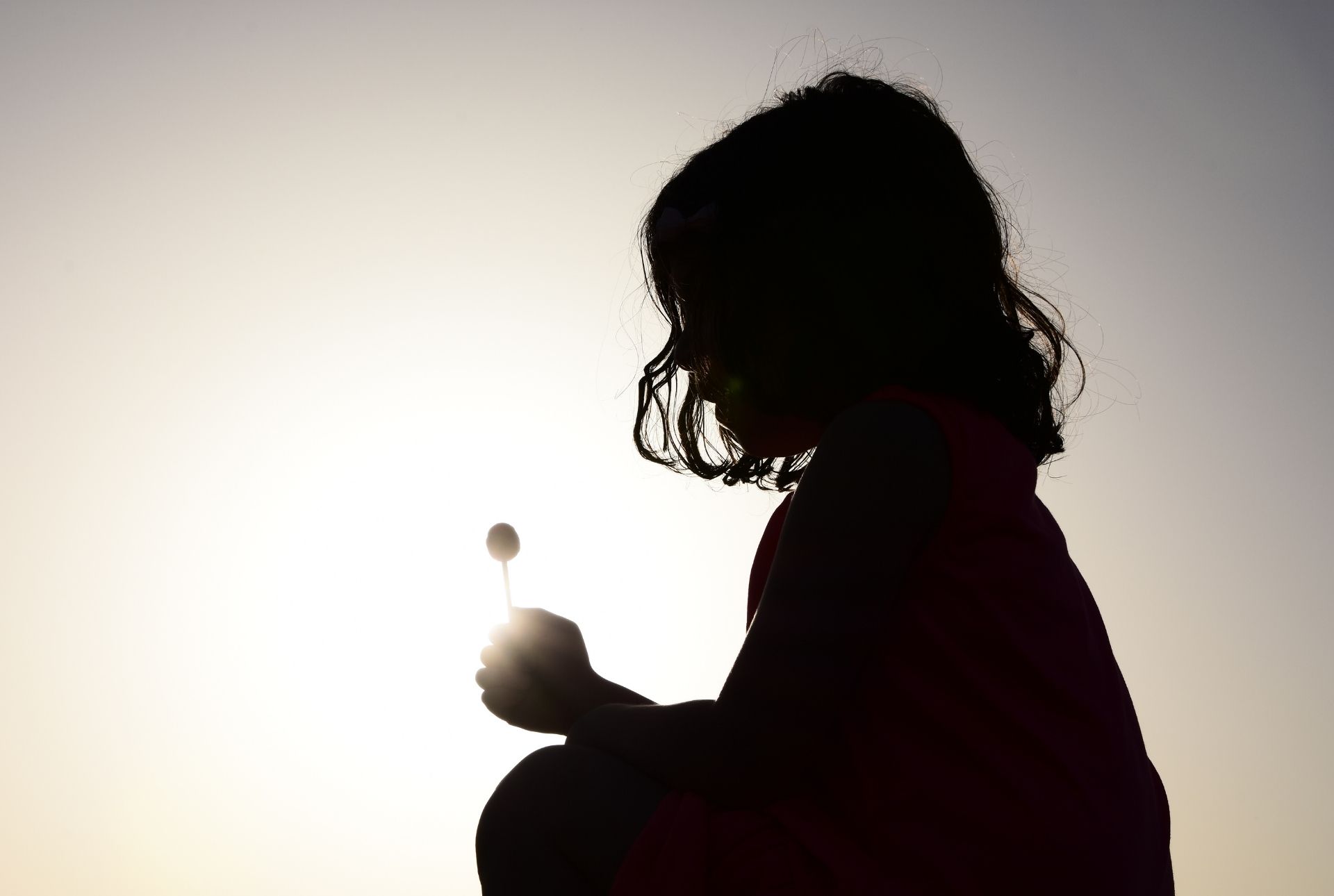
Every situation is different, but researchers, survivors, advocates, and child-protection organizations have identified patterns that tend to repeat. Naming them takes away some of their power.
Most children are harmed by someone they know rather than a stranger — a family member, family friend, coach, teacher, religious leader, older youth, or trusted adult.
Many who harm children do not begin with abuse. They build trust with the child, caregivers, and community through special attention, gifts, isolation, and boundary testing — making abuse feel normal, confusing, or secret.
Children may fear not being believed, fear punishment, fear hurting loved ones, feel ashamed, not understand what happened, have been threatened, or depend on the person harming them. Many wait years — or decades.
When a child discloses, those around them often choose between a hard reality and protecting relationships, institutions, or reputations. Too often denial wins — "That couldn't happen here," "He's such a nice person."
Most people who were abused do not go on to abuse others. But unaddressed trauma can shape parenting, relationships, mental health, and the ability to recognize unsafe situations — echoing across generations.
Many communities avoid talking about bodies, consent, boundaries, and power. That silence creates ideal conditions for abuse, because children are left without the words to describe what is happening to them.
Several forces work together to keep abuse out of sight. Shame leads many survivors to internalize responsibility, even though responsibility belongs entirely to the person who harmed them. Loyalty complicates everything, because children often love the person harming them. Power imbalances mean children have less credibility, independence, and voice than the adults around them.
And history shows that some institutions have, at times, prioritized their own reputation over child safety — among them schools, religious organizations, sports programs, youth groups, and families. Investigations across many countries and decades have documented these failures. Acknowledging that history is not an attack on any community; it is part of how we make sure children come first the next time.
No single step is enough on its own. Protection grows when several approaches happen at the same time.
Age-appropriate education about body autonomy, safe and unsafe touch, secrets versus surprises, consent, and how to seek help — beginning before abuse can occur.
Many adults cannot spot grooming. Helping parents, teachers, coaches, clergy, and community leaders recognize boundary violations and manipulation dramatically increases protection.
The less taboo the subject, the harder it is to operate in secrecy. Normalizing simple statements — "Your body belongs to you," "You can tell me anything" — does that work.
Survivors who are believed and supported often become powerful advocates. Support means trauma-informed therapy, peer connection, community validation, and the choice to share their story.
Children and adults need multiple reporting options, anonymous pathways, clear procedures, and protection from retaliation.
Background checks, two-adult rules, open-door policies, mandatory reporting, and independent oversight. Policies alone aren't enough, but they help close the gaps.
Major social change tends to follow a familiar path. Survivors begin speaking publicly. Stories accumulate. Society realizes the problem is larger than it believed. Awareness grows, institutions face pressure, laws and practices change, and future generations grow up with different norms.
We have watched this happen with domestic violence, drunk driving, smoking around children, and sexual harassment. What was once unspeakable became something we could name — and naming it is what made it possible to change.
Brave Voices exists to move the conversation from private, isolated disclosures toward shared, public awareness — something many experts believe is essential to prevention. A larger movement could grow through several channels working together.
Storytelling — through oral histories, podcasts, films, archives, and community events — reduces isolation and helps others recognize they are not alone. Music and the arts can reach people who avoid difficult conversations, raising awareness and funding prevention while uniting survivors, advocates, and allies. Education campaigns carry simple, repeatable messages: recognize grooming, believe children, know the warning signs, report concerns. And survivor leadership and global collaboration keep the movement grounded in lived experience and shared knowledge across borders.
Perhaps the deepest change is in the questions we ask. Moving from "Why didn't the child tell?" to "What made it so hard for the child to tell?" And from "How do we protect institutions?" to "How do we protect children?"
When communities consistently put children's safety ahead of adult comfort, secrecy becomes harder to maintain and abuse becomes harder to hide. The goal is not only to help survivors heal. It is to build cultures where children are educated, adults are vigilant, communities are willing to have hard conversations, and disclosures are met with belief, protection, and action. That combination — awareness, education, accountability, and compassion — has the greatest potential to reduce abuse for the generations to come.
Awareness is where prevention begins. Keep learning, listen to those who broke the silence, or add your own voice.